
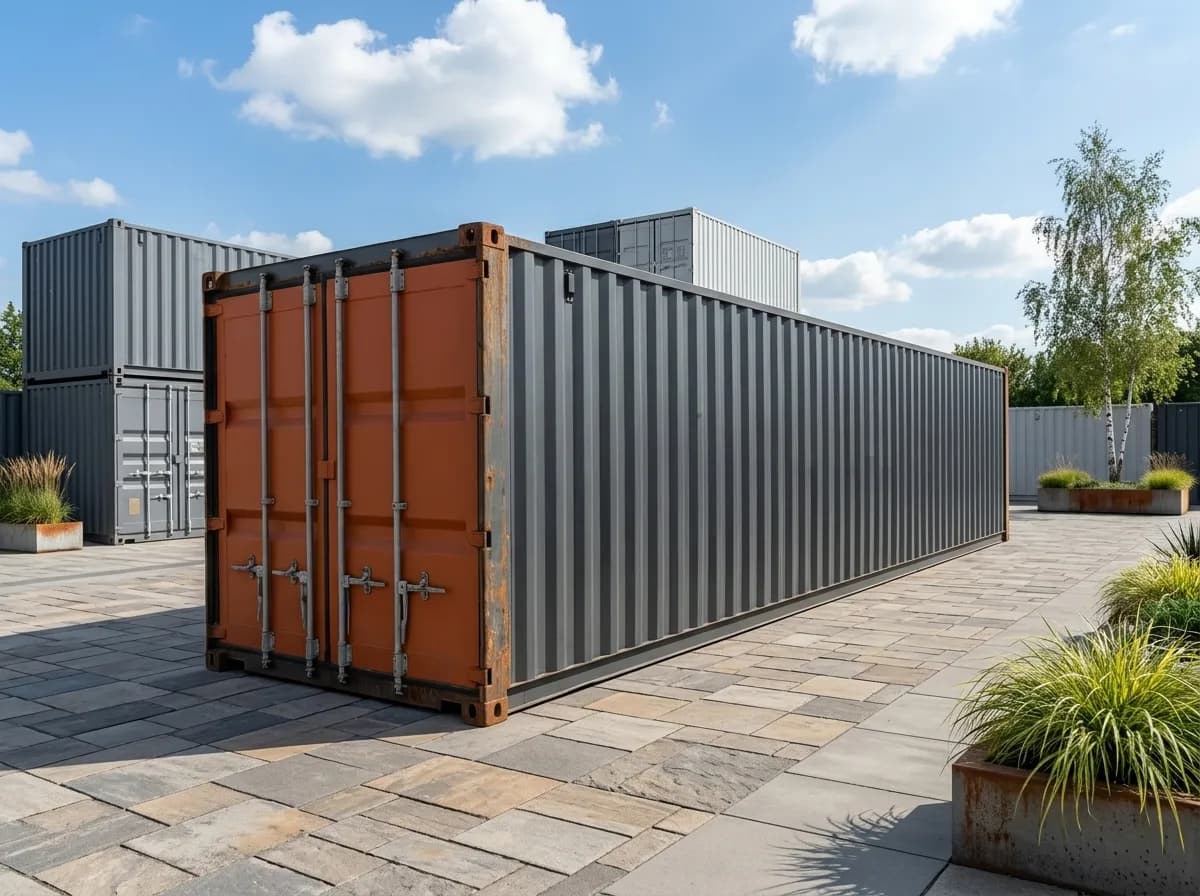
Shipping Container in Koppal & Gangavathi — Storage
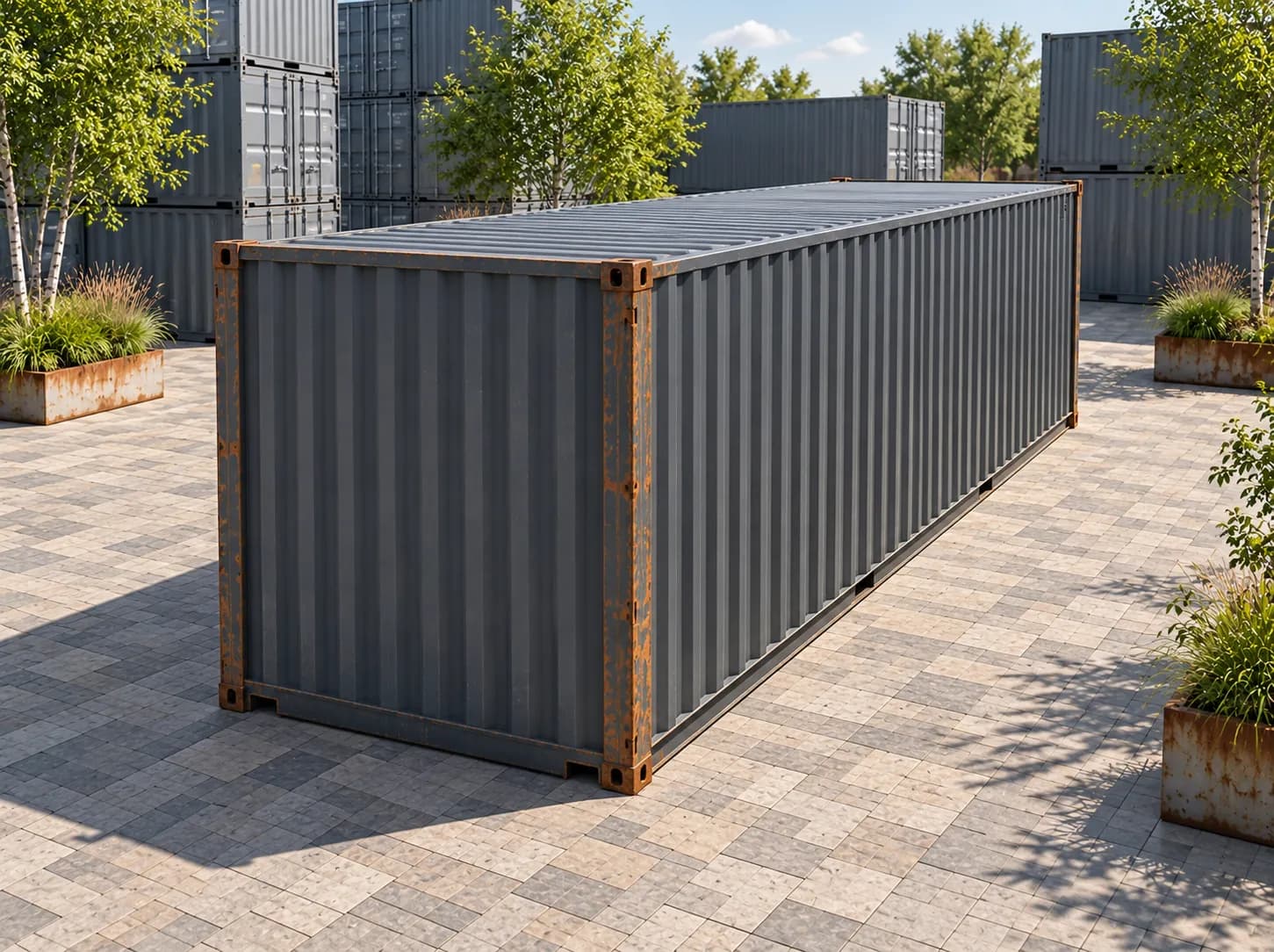
Real shipping-container photograph. Example unit shown.
Industrial stores that fit the site's workflow
Proposed uses and their planning priorities: • Plant maintenance spares — item identification, retrieval space and load distribution • Contractor tools and equipment — access control, loading space and proximity to the work area • Renewable-energy project supplies — equipment dimensions, secure handling and suitability for the specific contents • Quarry or processing-yard consumables — dust exposure, location and stock-handling arrangements • Light-manufacturing stock and packaging — rack positions, aisle space and dispatch access These are examples for planning, not a guarantee that any container suits all materials. Lubricants, chemicals, batteries and other goods with special requirements need an appropriate storage arrangement for those contents.
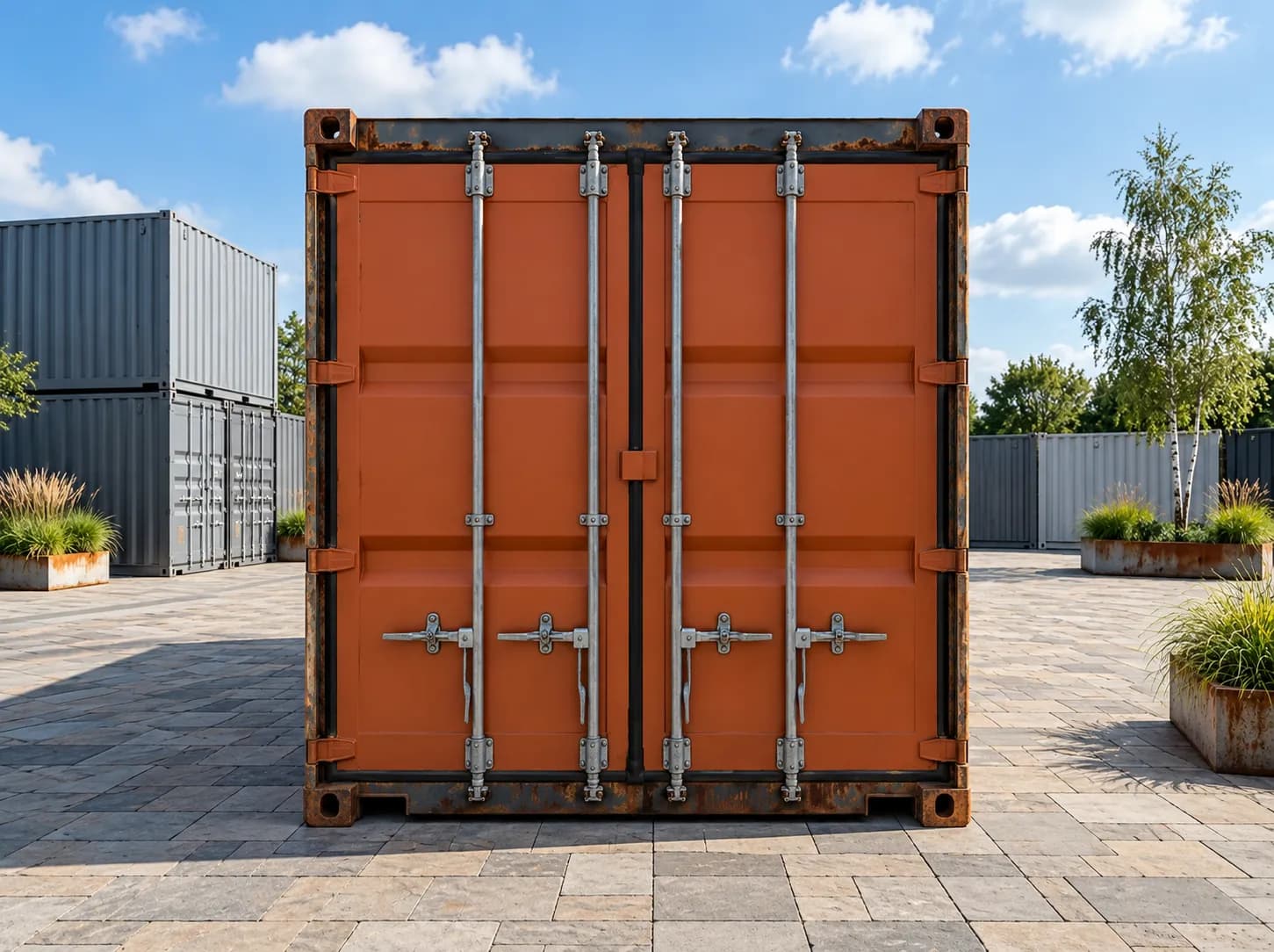
Gate entry and placement inside a working site
Share the site's entry procedure, delivery contact, vehicle requirements and receiving window before dispatch. Coordinate the container position with the responsible site team so it does not interfere with internal traffic, emergency access or operating equipment. Photographs should show the gate, approach, turns, overhead obstructions and unloading area. The transporter and lifting provider may need additional information or a site assessment before confirming the operation. If lighting or sockets are included, agree the electrical scope and have external connections completed by qualified personnel under the site's procedures. Storage-container delivery does not automatically include site power work. For possible future relocation, retain suitable handling access and review the unit's condition, contents and lifting plan before a move. Do not assume it can be lifted while loaded without an appropriate assessment.
Mill spares and packaging around Gangavathi
Mill spare parts, belts, tools and packaging have different storage needs from rice or paddy. Start by separating the intended contents and identifying what must stay clean, dry or within a particular temperature range. A layout for spares may need labelled racks and a clear retrieval aisle. Packaging may need protection from moisture and contamination. Goods should be organized so they can be checked and removed without repeatedly moving unrelated stock. If rice, paddy, seeds or other food/agricultural produce will be stored, establish suitability with an appropriate storage specialist. Review the unit's previous use, condition, relevant floor-treatment or contamination information, and the environmental and pest-control requirements of the goods. A one-trip label, vents or pallets alone do not establish suitability.
Choosing the offered unit
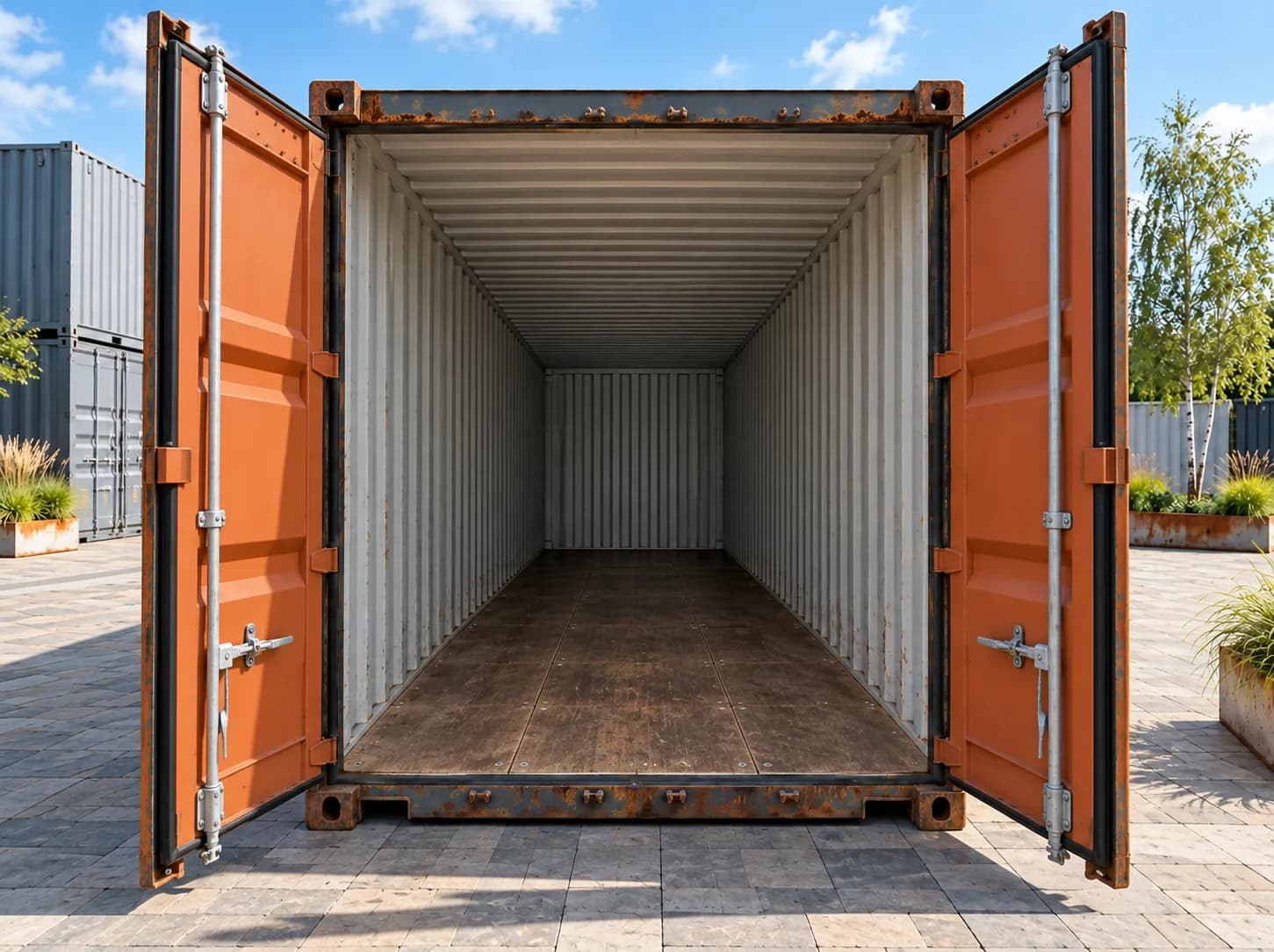
Compare available containers using external dimensions, usable internal space and clear door opening. Check whether the proposed handling equipment and goods can pass through the doors, and allow working space rather than filling the entire interior footprint. Review floor capacity and concentrated loads before planning heavy racks or equipment. Confirm any additions and their effect on usable space and future transport requirements. Condition descriptions such as new, one-trip, cargo-worthy or wind-and-water-tight must be supported for the actual offered unit. Assess relevant inspection records, damage, repairs and limitations. Storage on land and cargo transport are different requirements; confirm suitability and documents for the intended use. Before you commit, ask whether photographs of the actual unit, or an inspection, can be arranged. A picture on a website shows an example container; it says nothing about the condition of the one picked for your order.
Rural approaches and ground preparation
For sites outside the main roads, share information about narrow approaches, tight turns, bridges, culverts and seasonal access. The appropriate transport provider must assess route suitability; a photograph alone does not establish a bridge's carrying capacity. The base should be designed for the container, loading and ground conditions. Where soil movement or settlement is a concern, obtain a site-specific support arrangement rather than relying on a generic four-block or wider-pad solution. Plan drainage and allow space for door opening, loading and maintenance. Confirm the landowner's agreement and the requirements applying to the proposed site and storage use before placement.
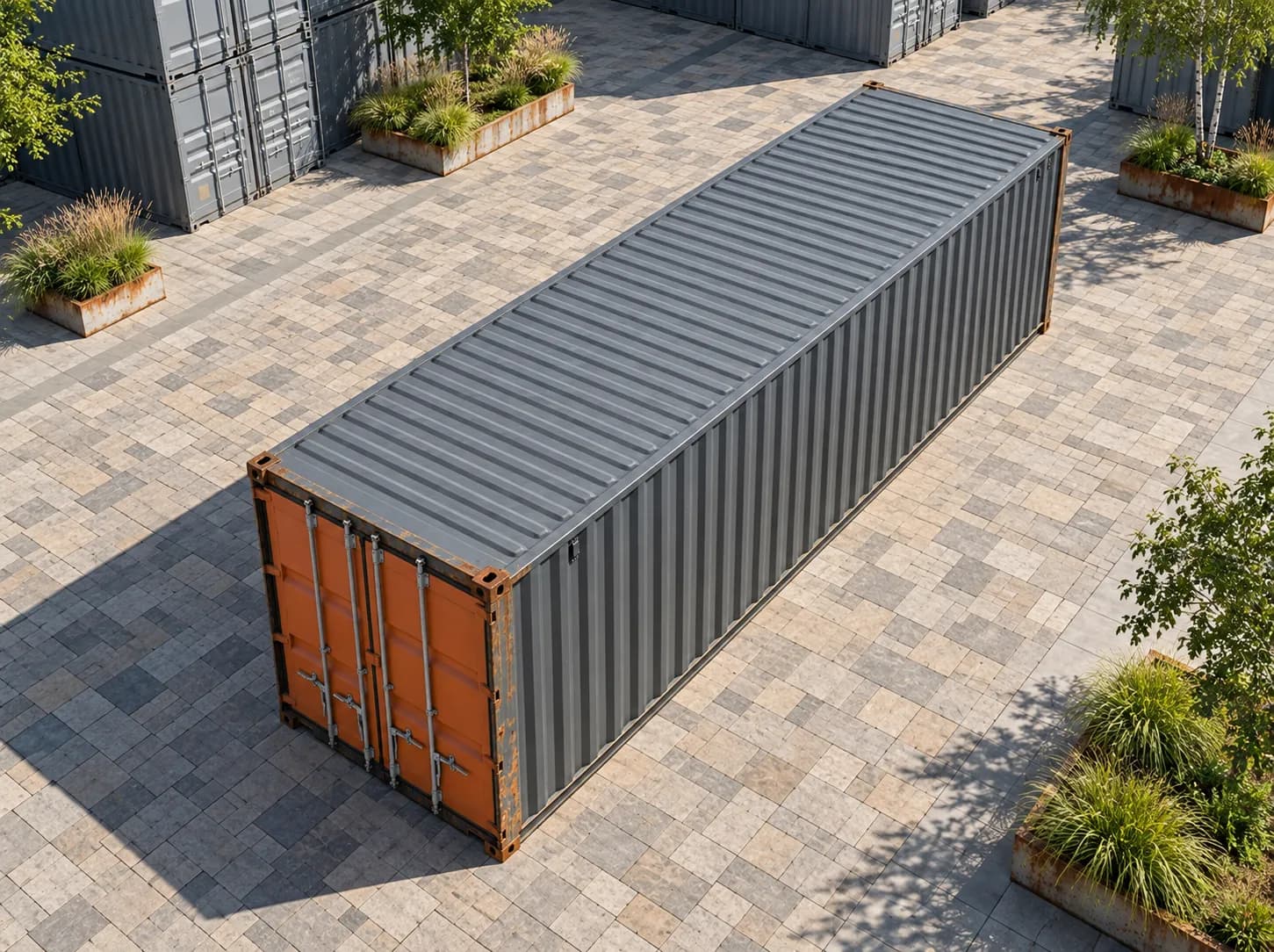
Dispatch, lifting and costs for district sites
The delivery plan should identify the dispatch point, destination, route, equipment and responsibilities. Confirm coverage for the exact site before ordering, including locations around Koppal, Gangavathi, Karatagi or elsewhere in the district. What to settle before the vehicle leaves: • Transport — which unit travels, the vehicle, the route and what it costs • Site readiness — the approach, the base, a clear unloading area and a named contact on site • Placement — who arranges suitable lifting or unloading equipment, who pays for it and who coordinates the lift • Timing — when the unit is ready, when the site can receive it and when the equipment is free • Extra costs — waiting time, access-related charges or anything else agreed For multiple containers, confirm the plan for the actual quantities, sizes and weights. Several units may require separate vehicles or trips. Compare total costs without assuming a combined-load discount.
Ordering sequence for a container store
1. List what will be stored: the goods, their rough sizes and weights, how often they are taken out and how long they will stay. 2. Look over the unit on offer: its specification, its condition and any additions agreed. 3. Check the site: its entry rules, the route in, the ground preparation and how unloading will work. 4. Put the order in writing: the chosen unit, price, GST treatment, payment terms, transport, placement and the condition or warranty terms that apply. 5. Fix dispatch and handover: confirm the unit is ready, then check it against the order when it arrives. Timing depends on availability, preparation and the actual transport plan. Agree responsibilities before dispatch so the site and unloading equipment are ready when the vehicle arrives.
Recorded terms and container maintenance
Whatever warranty or condition commitment applies, and what it excludes, has to be written down for the unit you select. Additions get their own written terms, and the container should not be assumed to share a fabricated cabin's cover. Follow the unit's maintenance guidance. Address coating damage and rust, maintain door mechanisms and seals, and keep drainage and any ventilation clear. If movement, settlement or difficulty operating the doors develops, have the support arrangement assessed before attempting adjustments.
A fitted workspace instead of a store
Need a furnished place to work rather than somewhere to keep stock? Converted container offices are a separate option.
Delivery charges
| Delivery to | Charge incl. GST |
|---|---|
| Up to and including 50 km by road from our yard | ₹1,000 |
| Beyond 50 km, in Karnataka and Tamil Nadu | ₹18,000 |
| Andhra Pradesh, Telangana, Kerala and Puducherry | ₹28,000 |
| Elsewhere in India that we serve | ₹45,000 |
Charged at checkout when you buy online. Rates include GST and cover transport with standard loading at our factory. Unloading, positioning and installation at your site are optional, at ₹15,000 including GST, added only if you choose them.
In Karnataka and Tamil Nadu, the first two rates depend on the road distance to your exact address. It is not measured at checkout at present, so delivery to an address in Koppal is confirmed in a quotation.
Delivery is confirmed in a quotation instead when a PIN code cannot be verified, and for Lakshadweep and the Andaman and Nicobar Islands. On an order placed through a quotation, transportation is arranged and quoted based on the delivery location and site access. Full terms: Shipping & Delivery Policy.