
Shipping Container in Hubli–Dharwad — Storage Options
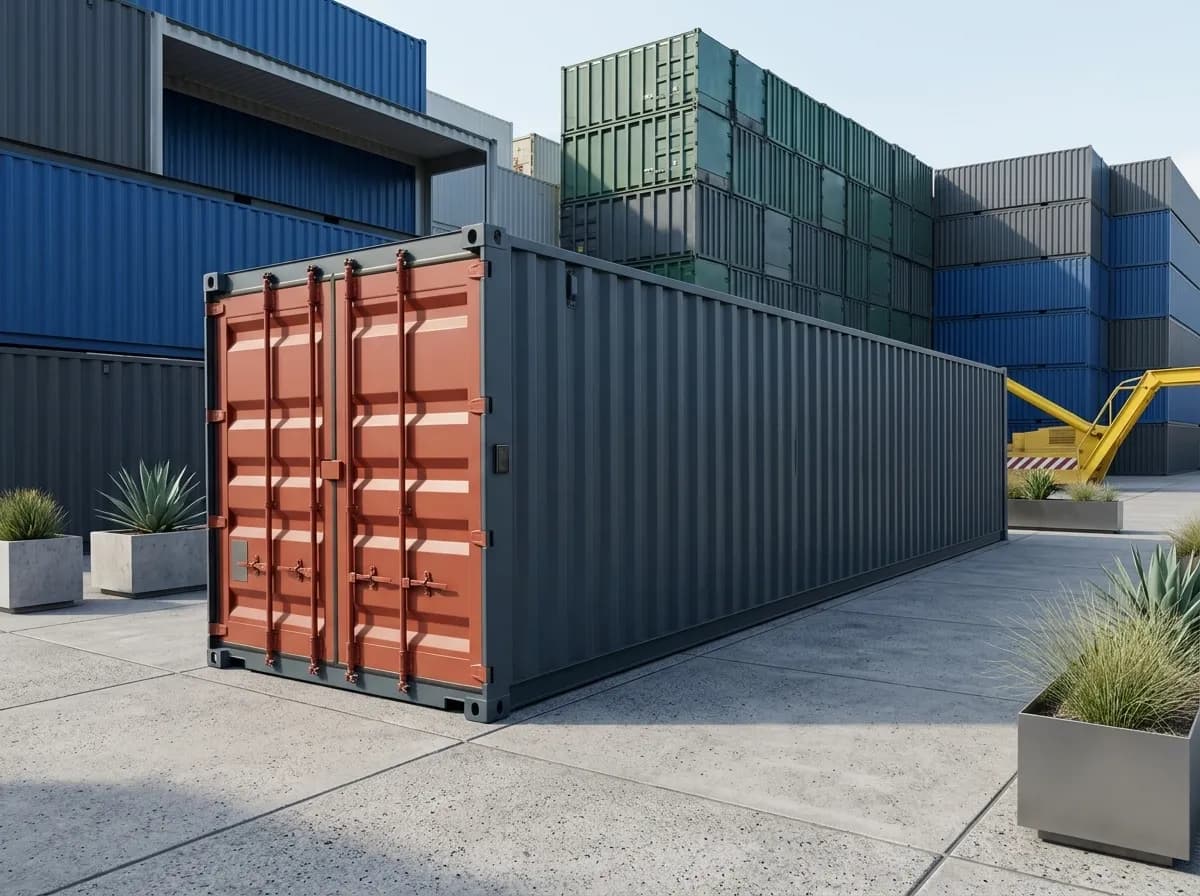
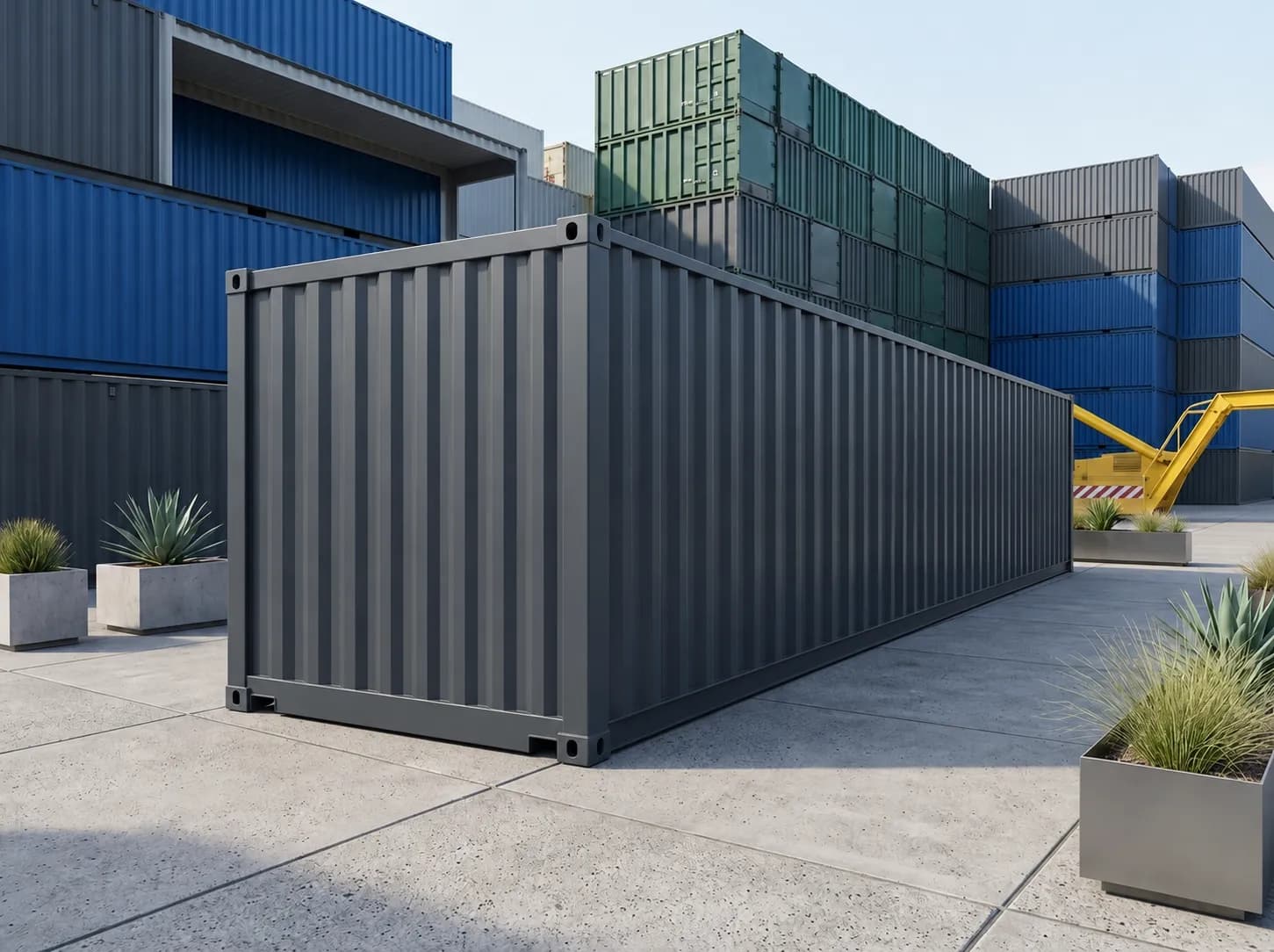
Real PCS shipping-container photograph. Example unit shown.
Organizing stock for trade and distribution
Storage needs and their planning priorities: • Distributor overflow — stock rotation, aisle space and access to frequently collected items • Industrial spares and packing materials — item identification, shelving needs and load distribution • Construction and fit-out supplies — loading access, security arrangements and moisture sensitivity • Institutional furniture and equipment — item dimensions, protection during handling and access for removal • Seasonal stock — storage duration, required conditions and availability of space during peak periods These examples describe storage planning, not a guarantee that an unmodified container suits every material. Keep incompatible goods separate and establish the requirements for the specific contents before ordering.
Selecting a unit for your stock movement
Compare available containers by external size, usable internal dimensions and door opening. Leave working space for loading, inspecting and retrieving stock rather than planning to fill every part of the interior. Heavy or concentrated loads require confirmation of floor capacity and the intended handling method. Racking, stacked goods and equipment should be included in the review. A nominal container size does not establish safe loading or a suitable arrangement for your stock. A longer unit may provide useful space, but it must also suit the route, unloading equipment and site layout. Confirm the actual transport plan instead of assuming that industrial premises automatically have enough access.
Reviewing condition and previous use
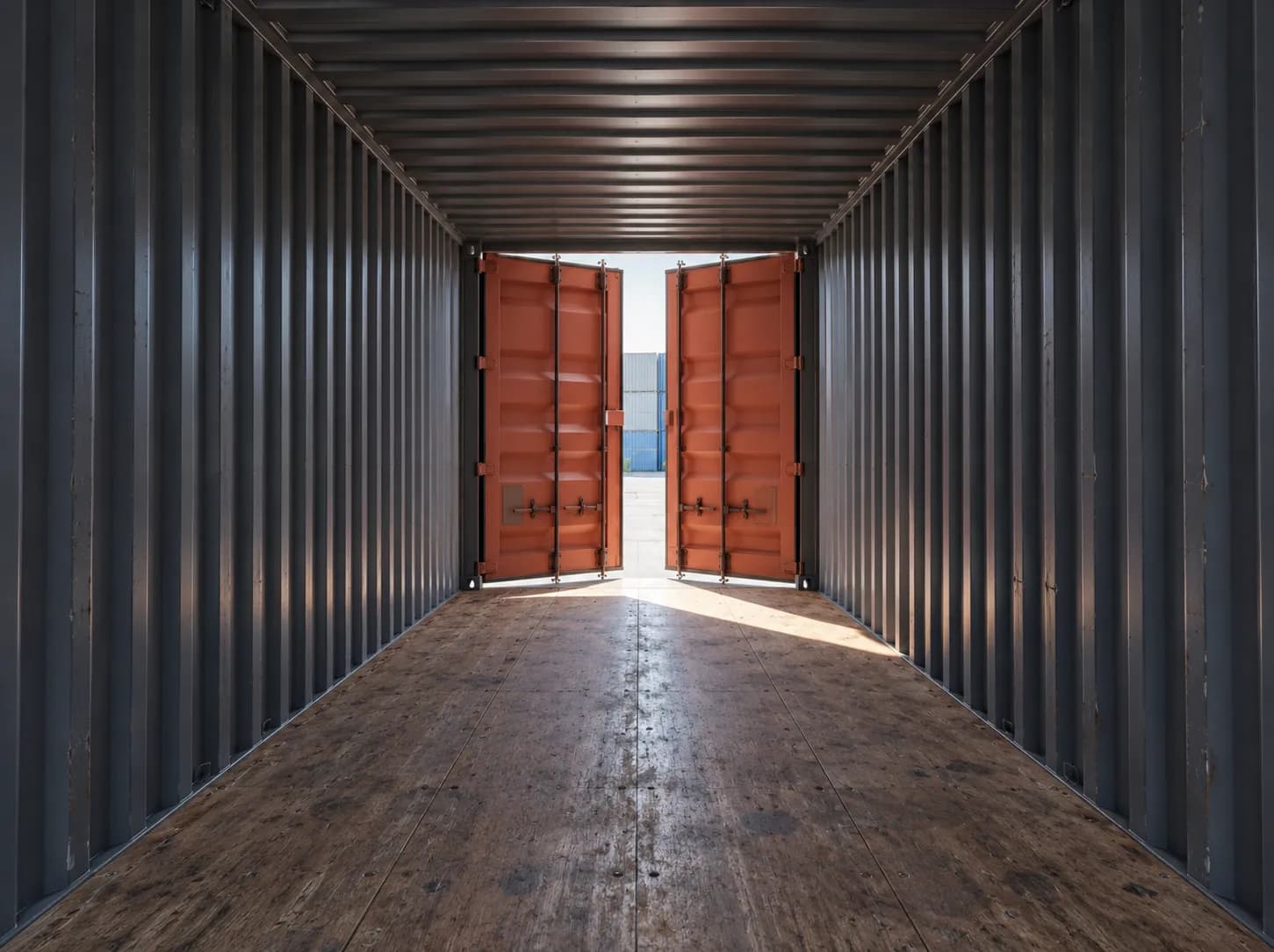
Check the offered unit's specification, condition description and available inspection records. Review the roof, floor, doors, seals, repairs and any limitations relevant to the proposed use. Terms such as new, one-trip, cargo-worthy or wind-and-water-tight must be supported for the particular unit. A condition label does not by itself establish suitability for food, seeds, chemicals or international transport. Ask what actual-unit photographs and inspection arrangements are available. Confirm the selected unit in the written order; a representative website image is not evidence of that unit's condition.
Heat, moisture and sensitive contents
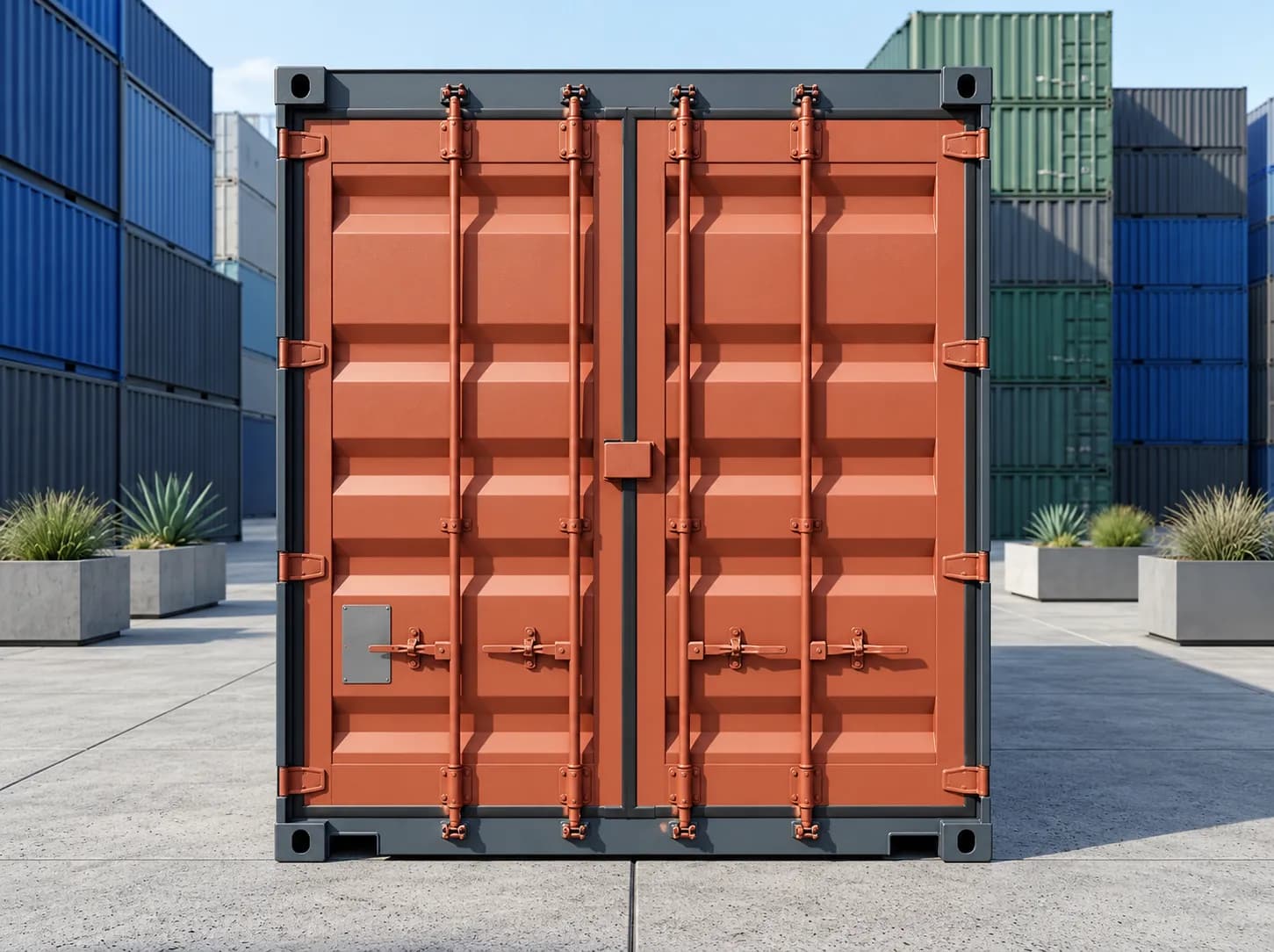
Consider the temperature and moisture conditions your goods require before using an enclosed steel container. Direct sun, changing weather and the way stock is packed can affect the storage environment. For chilli, grain, seeds or other produce, establish requirements for cleanliness, contamination control, pests, temperature and moisture with an appropriate storage specialist. A newer container, vents or pallets alone do not establish suitability. Review prior use and any relevant floor-treatment or contamination information. If shading, ventilation, insulation or another modification is proposed, assess it against the contents and site. Confirm the required performance and design before installation rather than treating any one addition as guaranteed temperature control. Materials such as paints, fertilisers or batteries may need a different storage arrangement altogether.
Choosing the spot where the container will stand
Plan the container position around the loading area and the direction of door opening. Keep room for stock handling, inspection and necessary site access. Photographs should show the approach, gate, bends, overhead obstructions and the intended unloading area. Confirm that transport and lifting providers have enough information to assess access and the working surface. The support arrangement depends on the container, loading and ground conditions. Confirm it before dispatch, together with drainage and site readiness. Do not assume four concrete blocks are sufficient for every location. Obtain the landowner's agreement and check the requirements applicable to the site and proposed storage use. Portability does not by itself establish permission for placement or operation.
Coordinating transport and unloading
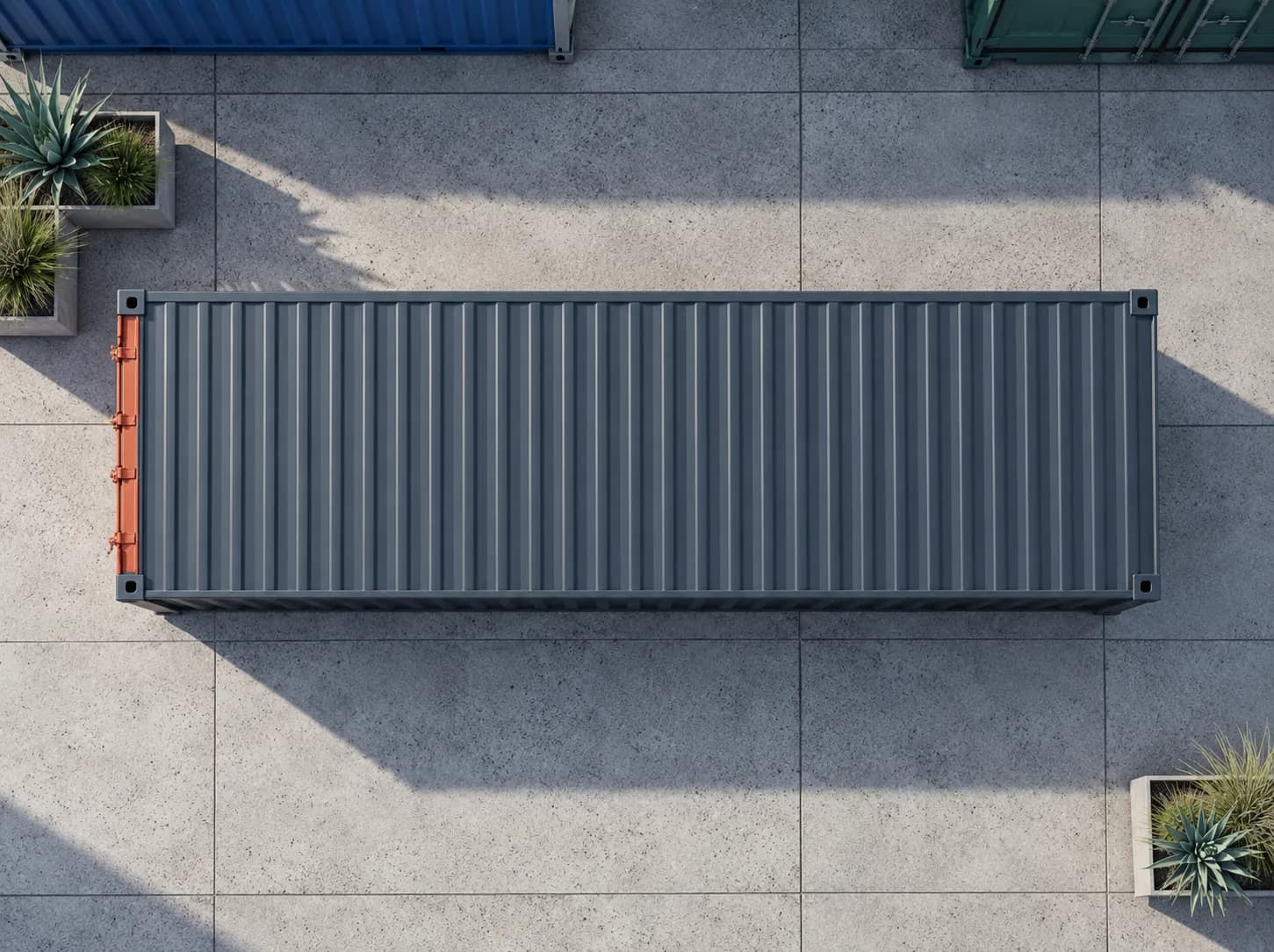
For a delivery to Hubballi–Dharwad, establish the dispatch location, route, equipment and receiving arrangements before payment and dispatch commitments are finalized. Responsibilities to confirm: • Transport — selected unit, dispatch point, vehicle arrangement, route and charges • Site readiness — access, support arrangement, working area and contact person • Unloading — who books and pays for suitable equipment and supervises the placement arrangements • Schedule — unit readiness, equipment availability and agreed receiving window • Additional charges — any waiting, access-related or other charges included in the agreement For several containers, request a transport plan for the actual sizes and quantities. They may require separate vehicles or trips. Compare the full cost; a multi-unit order does not automatically mean a lower delivery cost per unit.
Five steps from stock brief to arrival check
1. Set out what you will store: the goods, their sizes and rough weights, how often you reach for them and how long they will stay. 2. Go through the units on offer: size, state, listed specification and any additions agreed for them. 3. Look at the destination: how the vehicle gets in, where it unloads and what the container will rest on. 4. Put the order in writing: the chosen unit, its price and GST basis, transport, unloading, how payment is made and the terms that apply. 5. Fix dispatch and handover: the site is ready, the delivery time is set, and on arrival the unit is checked against the order. The schedule depends on actual availability, preparation and transport arrangements. If future relocation is intended, discuss it when choosing and placing the container; the condition, contents and handling method will need review before any move.
Written terms and ongoing care
Whatever cover comes with the chosen unit — a warranty, any promise about its condition and what is excluded — belongs in the order for that unit. Additions carry their own agreed terms. Do not take a plain shipping container's cover to be the same as the warranty on a fabricated cabin. Follow the unit's maintenance guidance. Attend to damaged coatings and rust, maintain door mechanisms and seals, and keep drainage and any ventilation unobstructed. Monitor storage conditions where the contents are sensitive to moisture or heat.
When the container becomes a workspace
For a fitted workspace rather than stock storage, explore the relevant container office options.
Delivery charges
| Delivery to | Charge incl. GST |
|---|---|
| Up to and including 50 km by road from our yard | ₹1,000 |
| Beyond 50 km, in Karnataka and Tamil Nadu | ₹18,000 |
| Andhra Pradesh, Telangana, Kerala and Puducherry | ₹28,000 |
| Elsewhere in India that we serve | ₹45,000 |
Charged at checkout when you buy online. Rates include GST and cover transport with standard loading at our factory. Unloading, positioning and installation at your site are optional, at ₹15,000 including GST, added only if you choose them.
In Karnataka and Tamil Nadu, the first two rates depend on the road distance to your exact address. It is not measured at checkout at present, so delivery to an address in Hubballi–Dharwad is confirmed in a quotation.
Delivery is confirmed in a quotation instead when a PIN code cannot be verified, and for Lakshadweep and the Andaman and Nicobar Islands. On an order placed through a quotation, transportation is arranged and quoted based on the delivery location and site access. Full terms: Shipping & Delivery Policy.